Rebuilding with Resilience: How One Colorado Couple Created an All-Electric, Solar-Powered Home After Devastating Fire
When a catastrophic fire destroyed Clint Coerdt and Kate Sartain's home in Old Snowmass, Colorado, they faced an impossible choice: leave the Roaring Fork Valley or rebuild in the shadow of devastating loss. What emerged from the ashes is a blueprint for resilient, all-electric mountain living powered almost entirely by the sun--and it could inspire your own home energy transformation.
When Community Support Changes Everything
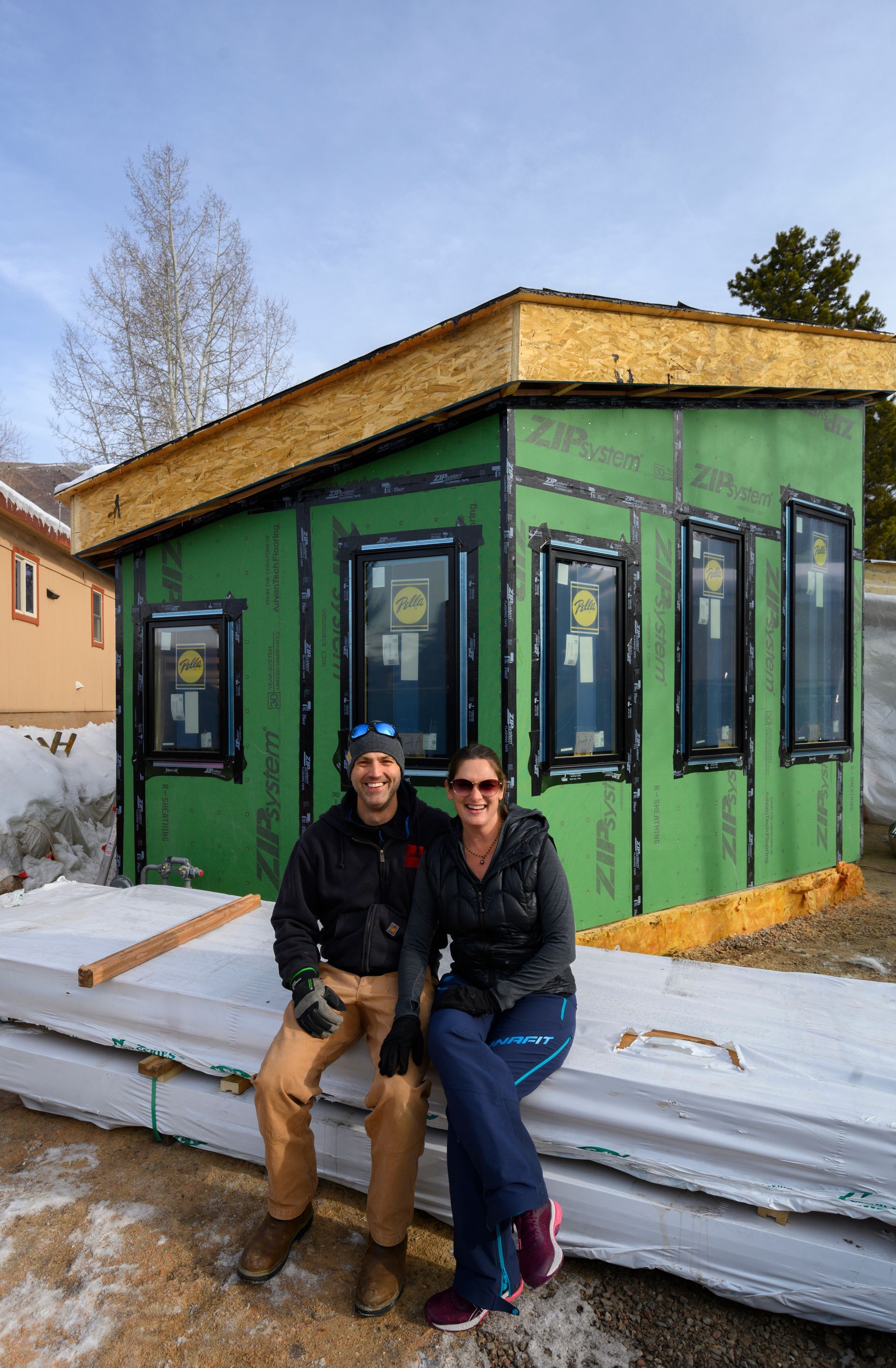
The 2022 fire claimed not just Coerdt's family home, but his parents and beloved pets. The couple seriously considered leaving Colorado entirely. But when the community rallied--organizing fundraisers, offering housing, and providing unwavering support--Coerdt and Sartain found the strength to stay.
"This beautiful community put us back on our feet," Coerdt said. "We wanted to rebuild on our property and make a nod to my parents and put this place back where it was and make this our home by building something new in the ashes of what we lost."
That "something new" would become a model for sustainable mountain living.
Small Changes, Big Results
Their previous log home suffered from major comfort problems. Drafty, poorly insulated, and located in a cold-air drainage area, it struggled to maintain even temperatures. Neighbor and architect Al Beyer described it as "kind of a dog--it did not respond to the climate."
The rebuild offered a chance to fix these issues. Working with Beyer, they made a strategic decision: move the new home slightly uphill. This small shift provided better solar exposure, avoided the cold-air pocket, and created the foundation for an all-electric, solar-powered home.
Going All-Electric: A Vision for the Future
From the beginning, the couple committed to eliminating fossil fuels completely. Their long, north-facing driveway made propane delivery risky in winter, and they wanted a home that honored the past while embracing a sustainable future. Inspired by the book Pretty Good House, they worked with a design team to integrate modern electric systems from the ground up:
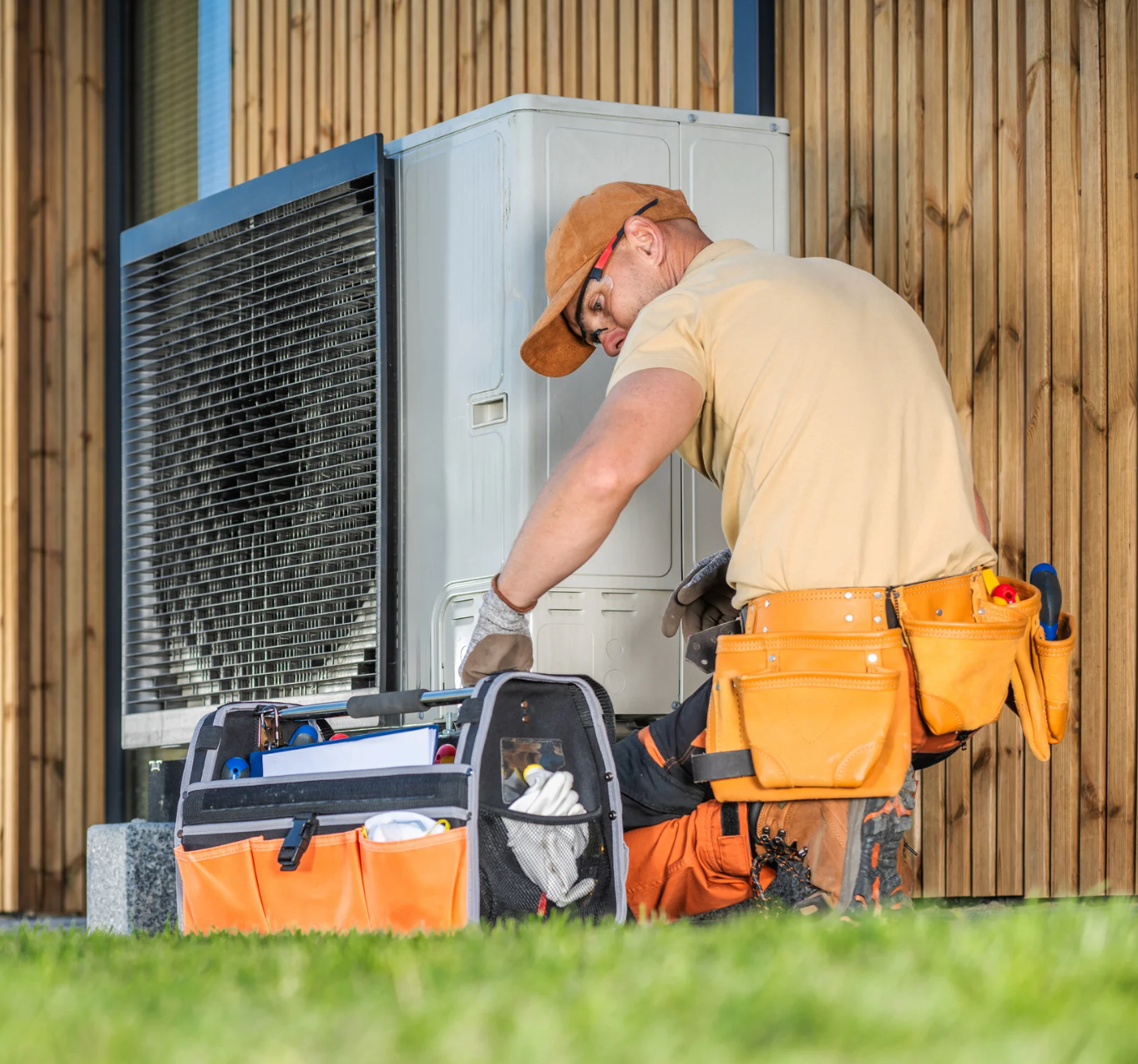
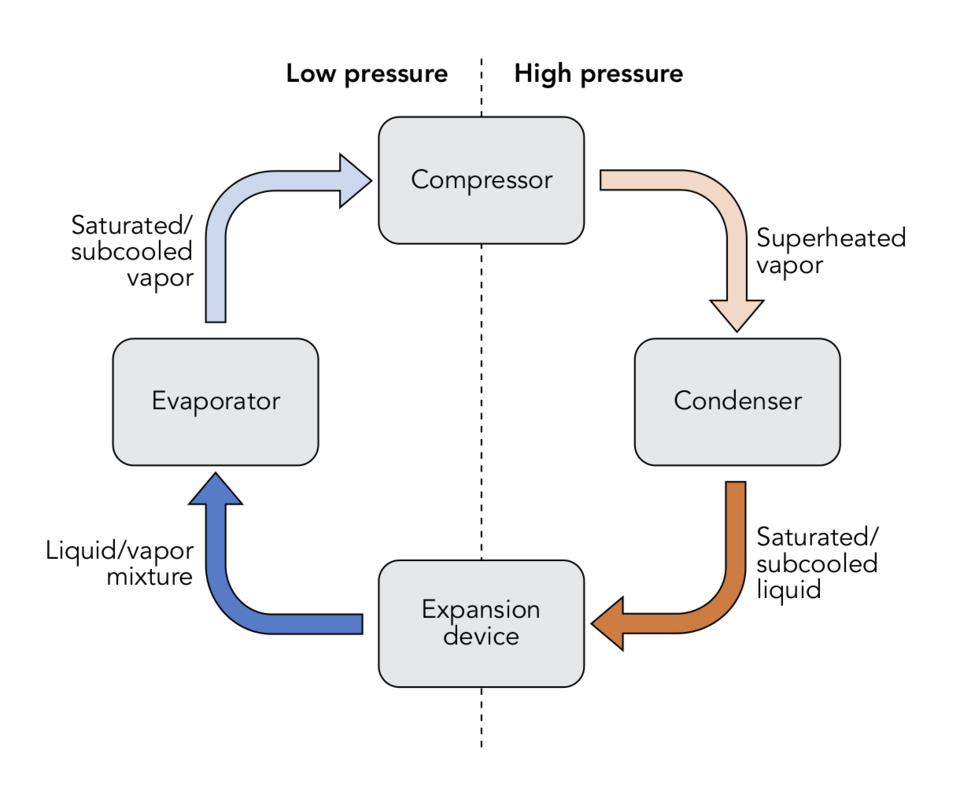
Heat pumps for efficient heating and cooling
Electric radiant floor heating throughout the home
Induction cooktop for fast, efficient cooking
Heat pump water heater for hot water
9.6 kW solar array on a south-facing roof designed for maximum production
The Power of Solar + Battery Storage
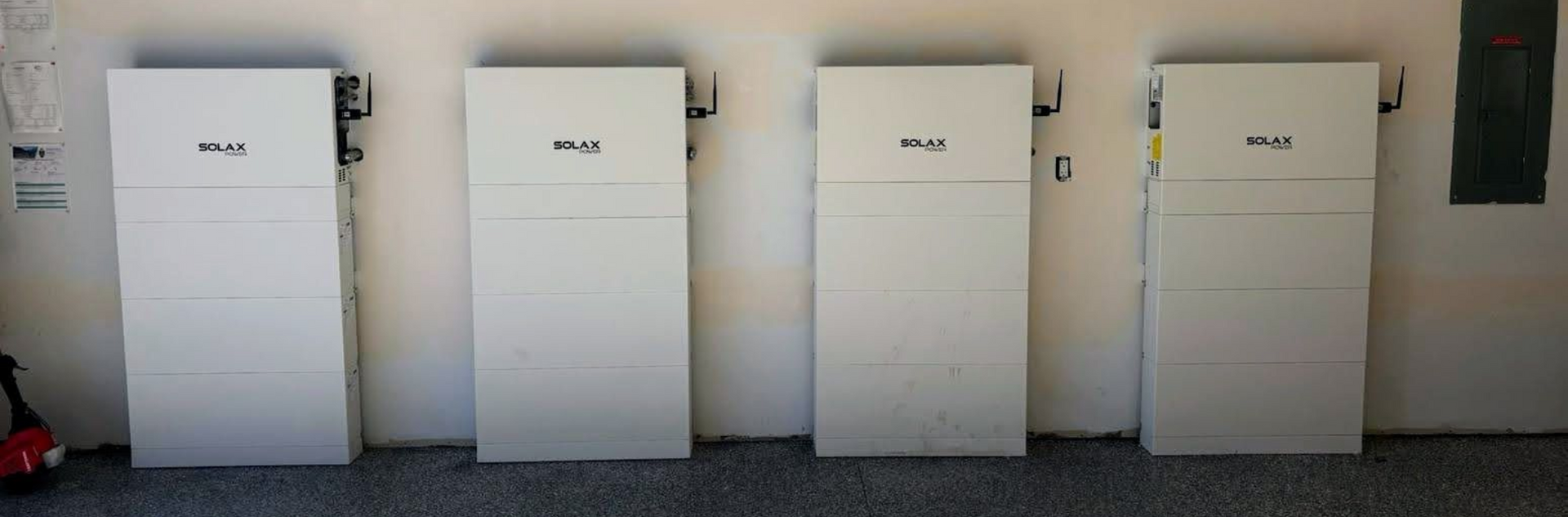
The real game-changer is the 60 kWh battery storage system, made affordable through Holy Cross Energy's innovative Power+FLEX program. This program provides upfront rebates and monthly bill credits in exchange for allowing the utility to tap into stored energy during peak demand times.
Without this program, the battery system would have cost $30,000-$40,000--out of reach for most homeowners. Instead, the partnership between Holy Cross Energy and CORE made it financially viable.
The results are impressive. In the first month of operation, the solar panels produced 65.8% of the home's energy needs. Through Power+FLEX, the batteries contributed 34.2% of stored energy back to the grid--providing clean, zero-emission power to the community while earning the homeowners bill credits.
How CORE Made It Happen
The Community Office for Resource Efficiency (CORE) became a critical partner early in the process. Senior Energy Concierge Tim Johns reached out proactively, helping the homeowners understand available incentives and guiding equipment decisions toward full electrification.
CORE provided:
- $15,000 in direct incentives for heat pumps, induction cooking, buffer tanks, and water heating
- Expert technical guidance throughout the design process
- Connections to Holy Cross Energy programs that made battery storage affordable
- Strategic planning support to maximize long-term savings and performance
"Tim reached out and really got the ball rolling," Coerdt said. "I wish I had reached out earlier before we even started building just to get some of the ideas CORE has to offer. Tim's explanation of the grant funds was the most helpful."
Dramatic Improvements in Comfort and Cost
The transformation is remarkable. Where the old home took hours to warm up, the new heat pump system brings the house to comfortable temperatures in just 15 minutes. No more cold spots, no waiting, no reliance on propane deliveries in dangerous winter conditions.
The financial impact is equally impressive. During construction, temporary power bills ran $700-$900 monthly. Now, the homeowners anticipate monthly bills around $100--an 85-90% reduction. Additional benefits include fire-resistant construction, superior insulation, backup power during outages, zero fossil fuel use, and dramatically lower operating costs.
Lessons for Your Home Energy Upgrade
Whether you're building new or upgrading an existing home, this project offers valuable insights:
Contact CORE early. The earlier you engage, the more opportunities you'll have to optimize your design and access incentives. CORE's experts can guide equipment selection, identify rebate programs, and help you avoid costly mistakes.
Small design changes yield big results. Simply moving the home uphill for better solar exposure transformed the project. Think about your site's orientation, drainage patterns, and sun exposure--these factors dramatically impact energy performance.
Partnerships multiply possibilities. The collaboration between CORE and Holy Cross Energy made battery storage affordable. Without these partnerships, many sustainable features would have been financially out of reach. Ask about utility programs and local incentives.
All-electric works in mountain climates. Modern heat pumps perform efficiently even in cold temperatures. Combined with good insulation and air sealing, electric systems provide superior comfort at lower cost.
Think bigger with solar. Coerdt's one regret? Not installing an even larger solar array. "If you have the chance, get a bigger solar array," he said. "I would love to have doubled the size."
Induction cooking is a game-changer. Fast, efficient, safe, and precise--induction cooking became one of the project's standout features and is an easy entry point for electrification.
Ready to Start Your Energy Upgrade Journey?
Clint and Kate transformed tragedy into an opportunity to create a home that's safer, more comfortable, and more sustainable. Their 3,400-square-foot home produces most of its own clean energy, eliminates fossil fuels entirely, and costs a fraction of typical homes to operate.
You don't need to rebuild from scratch to achieve similar results. Whether you're planning a major renovation or taking incremental steps, CORE can help you identify rebates, evaluate technologies, connect with contractors, and navigate utility programs.
"What I really liked was how CORE and Holy Cross worked together," Coerdt said. "The battery system was supposed to cost us between $30,000 and $40,000 which for a lot of budgets is a no go. With them working together helped make it affordable."
Take the First Step Today
Ready to explore what's possible for your home? Visit aspencore.org to learn more about residential energy programs and incentives, or contact CORE’s energy concierge to discuss your home energy upgrade project.
Your journey to a more efficient, comfortable, and sustainable home starts with a single conversation. Together, we can create homes that are better for families, better for budgets, and better for our beautiful Colorado community.
Read the entire case study by Mitzi Rapkin