Energy Spotlight: Tiny Homes, Big Impacts
How Energy Upgrades Are Making a Small Community More Efficient
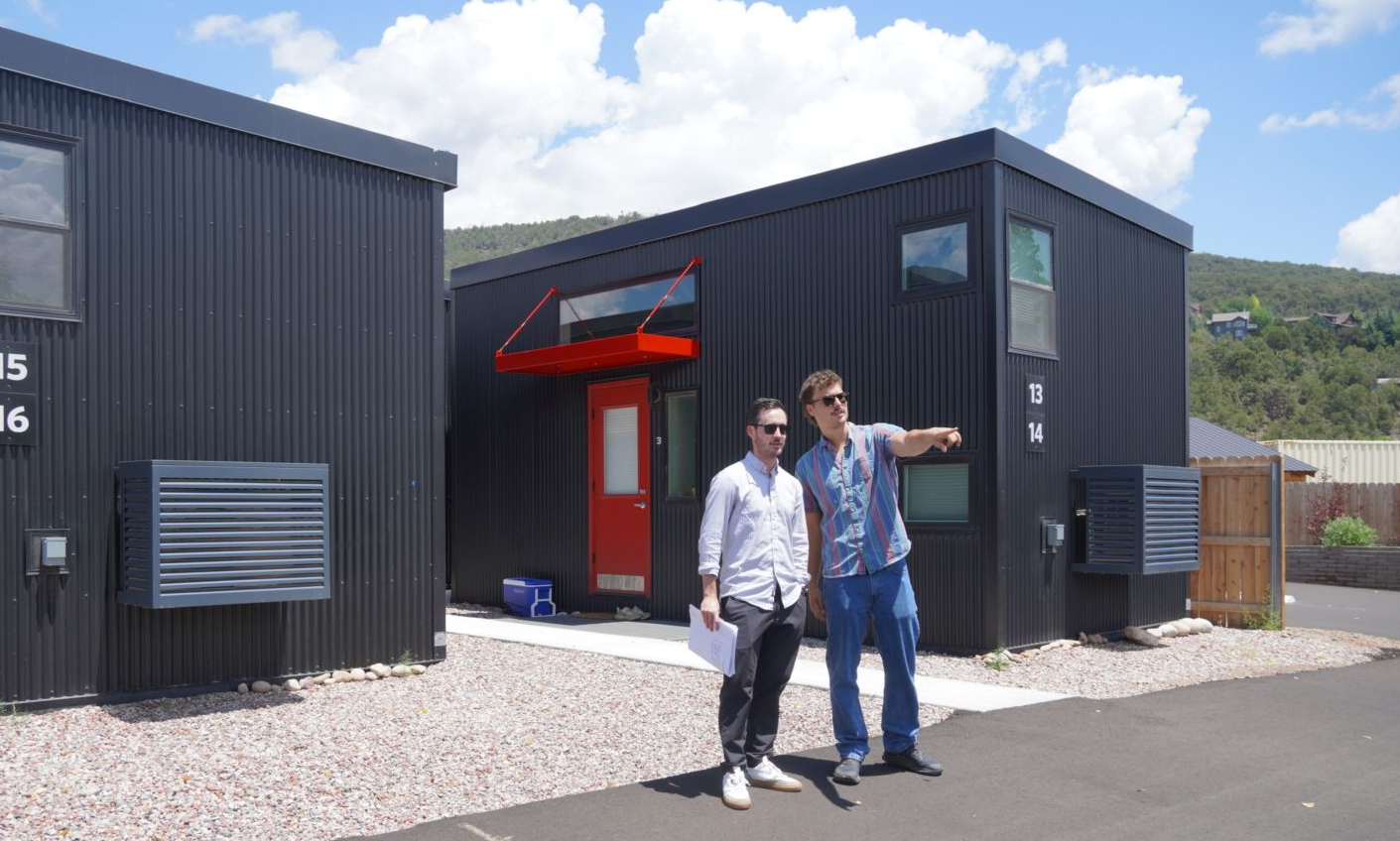
Tim Johns and Jonathan Tapper tour Aspen Skiing Company’s Tiny Town employee housing community at the Aspen Basalt Campground
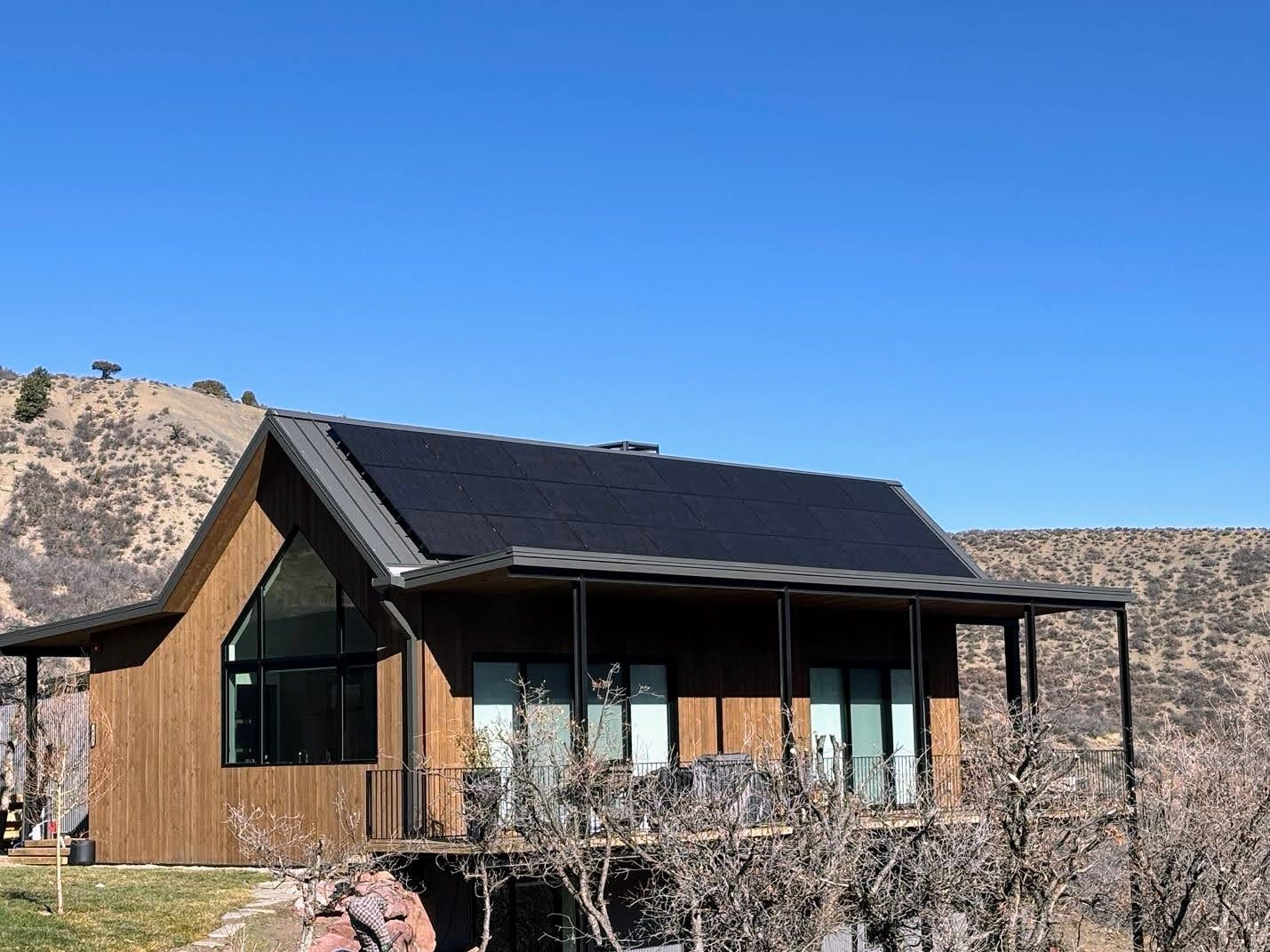
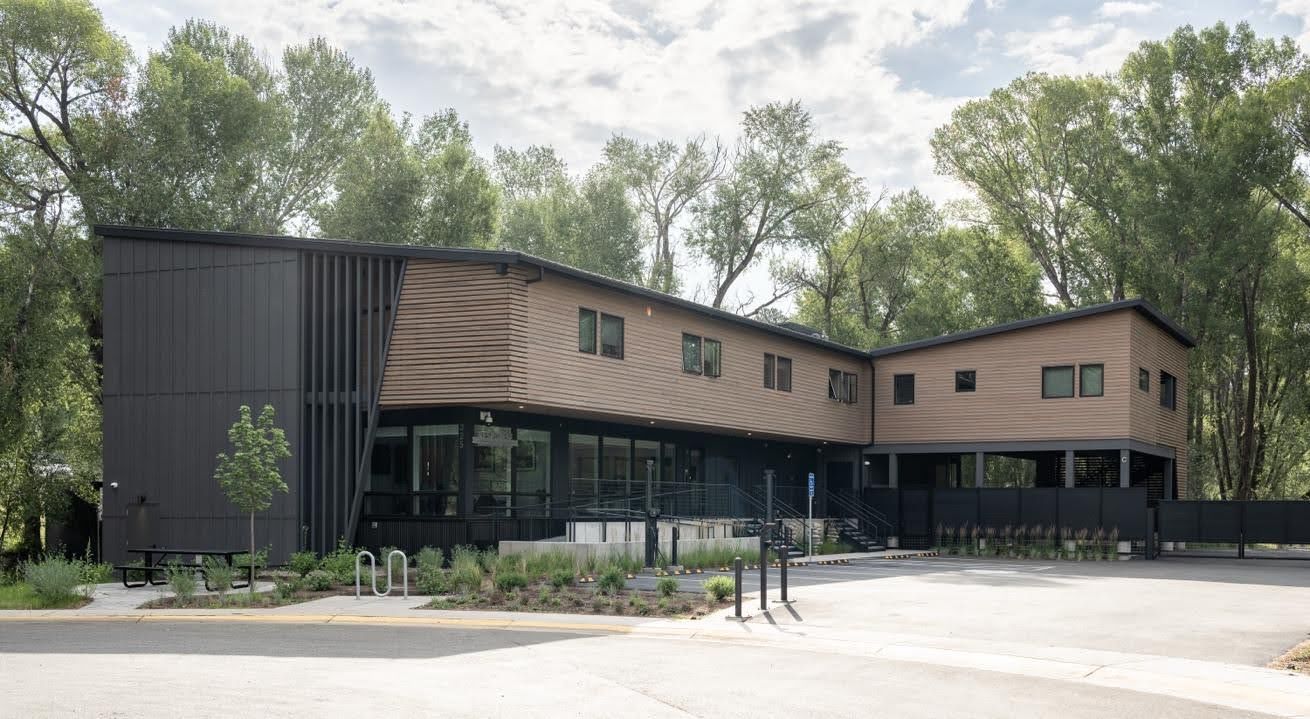
At Aspen Skiing Company’s Tiny Town employee housing community, compact living and energy innovation go hand in hand. Located at the Aspen Basalt Campground in Eagle County, these all-electric homes provide needed workforce housing while showing how much thoughtful design can accomplish in a small space.
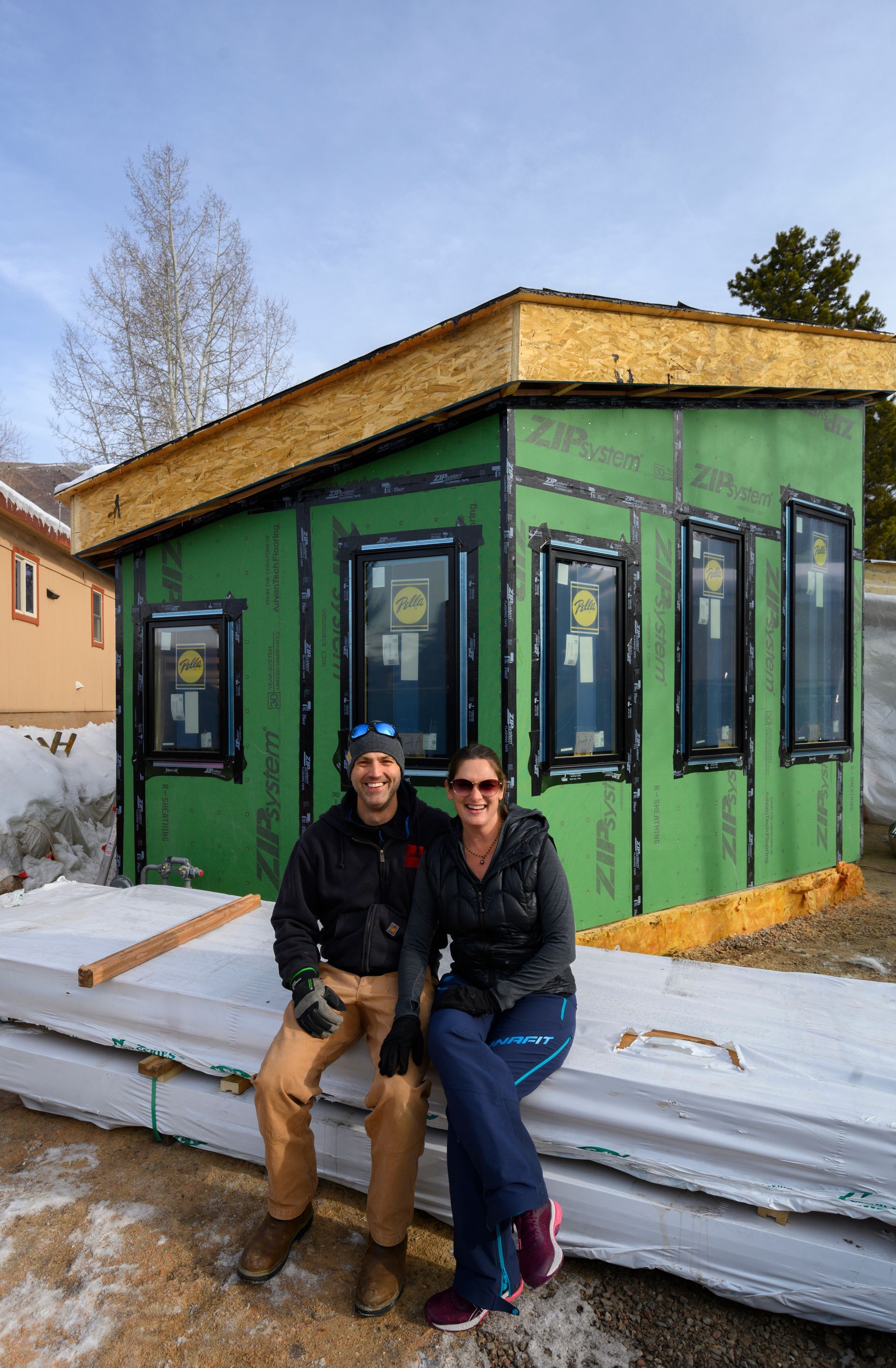
CORE’s connection to the project dates back to 2017, when CORE and Aspen Skiing Company invited the community to tour one of the newly commissioned Sprout Tiny Homes at Buttermilk. The two-story home was designed for three residents, with a 400-square-foot ground floor and energy-efficient features that made the most of the compact layout. Visitors could walk through the space, see those features firsthand, and gather ideas for improving energy efficiency in their own homes.
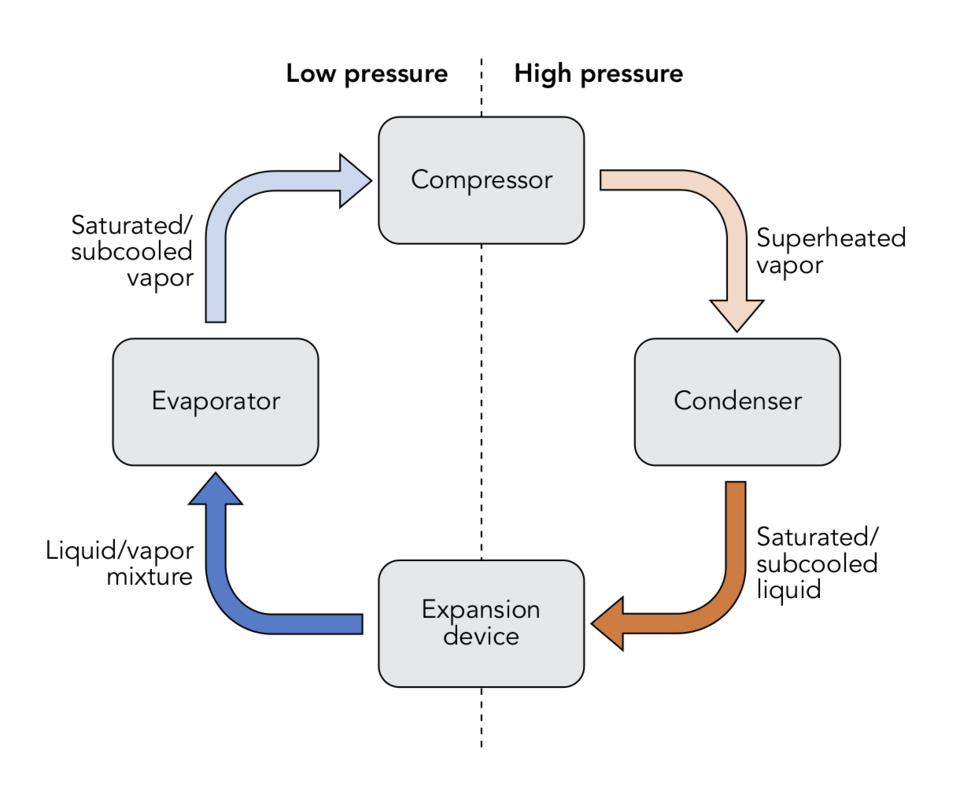
The homes have continued to evolve since that first open house. With each new phase, the project team took what it had learned and applied it to the next group of homes. Stronger building envelopes, low-E windows, heat pumps for heating and cooling, and better ways to move conditioned air through the floor plans all helped make the homes more comfortable and efficient. CORE supported the project through grants awarded in 2017 and 2023. In 2023, CORE funding supported the installation of seven SANCO split-system heat pump water heaters serving 14 homes. Each system provides hot water for a pair of units.
For a tiny home, the split design offers an important advantage: the heat pump components are located outside, leaving more living space inside. The SANCO systems also use carbon dioxide, a refrigerant with a lower climate impact than many conventional options. They can produce hot water when outdoor temperatures fall below minus 25 degrees Fahrenheit, an important consideration in a mountain climate.
“I think this is a particularly compelling project because split-system heat pump water heaters like the SANCO are still relatively uncommon in domestic hot water applications. Tiny Town is a great example of how they can be successfully integrated into an all-electric community. It’s also impressive how each phase of the development became more efficient than the last, with the team continually refining the design and incorporating lessons learned from previous phases,” said Tim Johns, Associate Project Manager at CORE.
Together, the water heater upgrades are expected to save approximately 50,000 kilowatt-hours of electricity each year. They are also expected to avoid approximately 10 metric tons of carbon dioxide-equivalent emissions annually. The project offers a practical look at how this emerging technology can save indoor space, perform through extremely cold weather, and reduce the electricity required for hot water.
At Tiny Town, energy efficiency has not been a one-time decision. It has been an ongoing process, with each phase building on lessons from the last. The result is a community of tiny homes with a much bigger story to tell.